Honoring the Final Journey: Social Fabrics and Cultural Customaries in India
Wiki Article
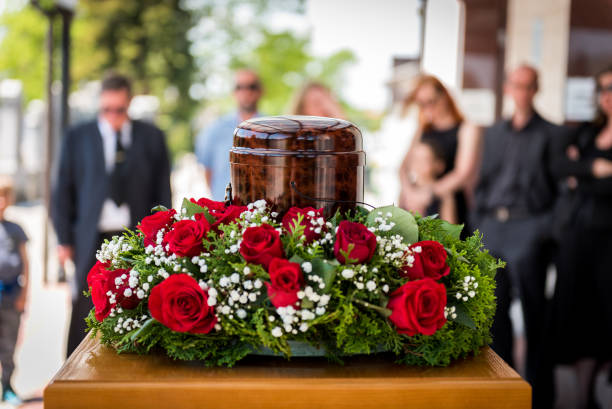
Across the vast and diverse landscape of India, traditions associated with honoring an individual's passing represent a profound expression of collective heritage. Across every regional territory, the traditions associated with honoring an individual's earthly chapter combine artistic beauty, historical reverence, and communal harmony. Moving beyond individual grief, these ceremonies strengthen social continuity, uniting relatives, honoring elders, and passing down timeless values. The quiet period immediately after a farewell are observed with attentive care and respect. Close relatives assemble to carry out customary washing and dressing that have been refined over centuries. The individual is wrapped in pristine ceremonial textiles that reflect regional dress customs. Simple white clothing remains the classic preference, representing equality, calm reverence, and timeless grace. Within specific regional groups, garments with decorative embroidery or regional dyes are chosen to honor the individual's age, social role, or lineage. Fragrant floral arrangements play an irreplaceable role throughout this artistic setup. Artistically woven wreaths of sweet jasmine, brilliant marigolds, and fresh roses are layered gracefully upon the resting platform. These colorful arrangements represent more than mere visual beauty; they highlight the continuous beauty of life and family devotion. Anointing with cooling sandalwood, pure rose oils, and herbal extracts further highlights the aesthetic elegance and loving care embedded within the home-based preparations. One of the most visually striking and culturally significant aspects of Indian funeral customs is the solemn walk of honor from the household to the local ceremonial grounds. Known across various regions as a procession of honor, this peaceful walk along shared streets unites the broader neighborhood in mutual support. Neighbors, extended relatives, and acquaintances gather in front of the family home, garbed in white garments of respect creating a peaceful, harmonious visual atmosphere. The rested individual is borne on a handmade platform crafted from sturdy local bamboo, decorated with fresh foliage and bright flowers. As the procession moves through the streets, neighbors exchange places to help carry the bamboo litter. This physical act of sharing the weight is a profound gesture of social unity, showing that the entire neighborhood shares the family's burden. Across numerous localities, soft rhythmic beats from local instruments or classic brass arrangements enhances the journey, offering a graceful auditory backdrop that informs the local district of a completed life journey. The extraordinary variety of Indian heritage is clearly visible within the distinct farewell practices found across states and communities. Even as mutual respect and community participation stay identical throughout, the outward ceremonial forms adapt uniquely across different climatic, geographic, and cultural zones. Following the primary ceremonial rites, subcontinental tradition observes a dedicated period of domestic hosting, typically lasting between ten and thirteen days. During this timeframe, the family home becomes an open sanctuary for guests arriving from nearby and far-off locations who travel from afar to offer condolences and pay their respects. Hospitality during this period is a vital cultural requirement. Freshly cooked vegetarian meals are made each day so every guest is comfortably welcomed and nourished. Sharing food in this manner encourages warm fellowship, provides an opportunity to recount cherished personal stories, allowing the neighborhood to take care of all domestic chores for the family. The conclusion of the primary formal gathering period is marked by a large-scale community feast and memorial gathering. Elders speak about the individual's life legacy and community service, ensuring that their oral history is transmitted to younger generations. Selfless acts of service—including gifting garments to neighbors, funding local schools, or providing meals to the needy—are traditionally performed in honor of the departed, building a lasting legacy of kindness and civic care.
Sumanahalli Crematorium Traditional communities in India meet this final transition through a harmonious mix of joint effort and refined etiquette. Across both historic towns and modern neighborhoods, the arrival of extended family and supportive neighbors underpins every step of the cultural farewell. These observances provide a structured cultural framework through which communities offer mutual support, demonstrate respect for elders, and celebrate the enduring influence of a person's life legacy.
The Aesthetics of Preparation and Family Devotion
Processions of Honor: Community Unity
Element
Material Used
Symbolic Value
Clothing
Traditional White Attire
Reflects modest dignity and visual harmony.
Carrying Litter
Woven Bamboo and Foliage
Reflects connection to nature and traditional craftsmanship.
Garlands
Native Sweet Blossoms
Expresses high regard, warmth, and artistic beauty.
Aromatics
Sandalwood Paste and Rosewater
Provides sensory elegance and traditional purification.
Regional Expressions of Honor
Dead Body Transportation in Kolkata Regardless of whether the final rites use natural earthen placement or traditional fire settings, the focus remains steadfastly on the cultural heritage of offering the individual back to nature's elements through practices that prioritize environmental respect and cultural grace.
Hospitality, Remembrance, and Social Continuity
Final Reflections: Honor, Artistry, and Unity
Kallahalli Crematorium The funeral customs of India offer a rich tapestry of deep-seated hospitality, cultural elegance, and mutual care. By transforming a moment of farewell into a dignified celebration of cultural heritage, these practices highlight the power of family bonds and social networks. With delicate floral craft, peaceful white processions, distinct regional arts, and open-door hosting, Indian culture honors the journey of the individual and keep their rich social fabric alive for years to come.