Honoring the Final Journey: Social Fabrics and Cultural Customaries in India
Wiki Article
Within the vibrant subcontinental heritage of India, customs dedicated to celebrating a completed life represent a profound expression of collective heritage. Across every regional territory, the rites dedicated to paying final respects combine artistic beauty, historical reverence, and communal harmony. Rather than focusing merely on loss, these customs serve as a vital cultural bridge, uniting relatives, honoring elders, and passing down timeless values. The immediate hours following a person's passing are spent in thoughtful, dignified preparation. Close relatives assemble to carry out customary washing and dressing that have been refined over centuries. The individual is wrapped in pristine ceremonial textiles tailored to regional heritage and personal status. In many traditions, classic white attire is selected, reflecting social balance, harmony, and pristine beauty. Among various ethnic lineages, garments with decorative embroidery or regional dyes are chosen to honor the individual's age, social role, or lineage. Fragrant floral arrangements play an irreplaceable role throughout this artistic setup. Vibrant arrangements of native blossoms are presented by family members with deep affection. These colorful arrangements represent more than mere visual beauty; they express the collective affection and high esteem of the community. The delicate use of natural sandalwood, rosewater, and native herbs ensures an environment of supreme dignity, freshness, and cultural charm. One of the most visually striking and culturally significant aspects of Indian funeral customs is the organized neighborhood procession leading from the home toward nature's resting site. Understood as a public gesture of unity, this communal journey unites the broader neighborhood in mutual support. Community members, distant relatives, and lifelong friends assemble along the entry paths, wearing simple white traditional attire to demonstrate solidarity and visual harmony. The loved one rests upon a traditional litter assembled from natural materials, covered with decorative cloths and floral wreaths. As the walk progresses toward the resting destination, neighbors exchange places to help carry the bamboo litter. Sharing this physical task stands as a powerful symbol of communal respect, symbolizing that no family carries the weight of a farewell alone. In many regions, soft rhythmic beats from local instruments or classic brass arrangements guides the walkers, establishing a solemn and respectful mood that honors the individual's legacy within the public sphere. Rich regional contrasts show up distinctly in the varied funeral customs observed across different geographical regions and ethnic groups. While core values of respect and community remain universal, the visual and artistic details differ wonderfully across different climatic, geographic, and cultural zones. After the main day of farewell, subcontinental tradition observes a dedicated period of domestic hosting, typically lasting between ten and thirteen days. In this dedicated period, the family home becomes an open sanctuary for neighbors, extended family lines, and well-wishers who travel from afar to offer condolences and pay their respects. Receiving guests with warmth remains a top priority. Simple, nutritious vegetarian meals are prepared daily in large quantities to feed visiting neighbors, family, and travelers. This tradition of sharing meals fosters deep emotional connection, helps visitors reflect on the individual's positive contributions, and ensures that the grieving household is fully supported with daily necessities by the broader social network. The conclusion of the primary formal gathering period is marked by a large-scale community feast and memorial gathering. Elders speak about the individual's life legacy and community service, passing down valuable life lessons to youth. Acts of charitable giving—including gifting garments to neighbors, funding local schools, or providing meals to the needy—are organized as a meaningful tribute, reinforcing the value of community service and social responsibility.
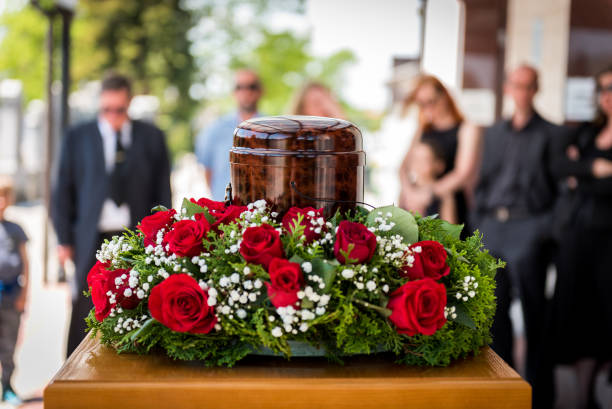
Dead Body Transportation in Pune Families across India handle these dignified moments with a unique blend of communal togetherness and structured ritualism. Across both historic towns and modern neighborhoods, the collective gathering of relatives, neighbors, and friends forms the cornerstone of every ceremonial proceeding. This social tradition provides a supportive atmosphere where loved ones share comfort, honor lived memories, and preserve personal accomplishments.
Loving Preparation and Aesthetic Elegance
The White Procession: Community Solidarity in Motion
Element
Traditional Medium
Community Role
Dress Code
Simple White Cotton Garments
Reflects modest dignity and visual harmony.
Resting Platform
Woven Bamboo and Foliage
Reflects connection to nature and traditional craftsmanship.
Garlands
Fresh Marigolds, Lotus, and Roses
Represents honor, aesthetic beauty, and respect.
Aromatics
Herbal Extracts and Rose Oils
Ensures sensory grace and natural care.
Regional Variations and Cultural Diversity
Hindu Crematorium Ground Hyderabad Regardless of whether the final rites use natural earthen placement or traditional fire settings, the practice remains deeply rooted in local philosophy of restoring balance with the surrounding natural world with complete respect for the earth and ancestral eco-friendly customs.
Gatherings of Remembrance and Community Care
Final Reflections: Honor, Artistry, and Unity
Dead Body Transportation in Hyderabad The farewell traditions of India present a masterclass of social values, artistic traditions, and profound community solidarity. By transforming a moment of farewell into a dignified celebration of cultural heritage, these practices highlight the power of family bonds and social networks. With delicate floral craft, peaceful white processions, distinct regional arts, and open-door hosting, this heritage celebrates the completed life of every member while fortifying the enduring bonds of the community for generations to come.